

For UK players, a casino’s license is the most important factor. As I assess Stake Casino’s legal standing, my focus is on what it means for someone logging in from Britain. The site is well-known for its crypto support and large game selection, but does it function lawfully for UK audiences? The UK Gambling Commission imposes tough rules. A license from them isn’t just a logo; it’s a commitment of fair games, protected money, and a way to settle disputes. My job here is to dissect Stake’s licensing, see how it adheres to rules, and evaluate it against what UK law requires. I’ll give you the facts so you can determine if it’s the right place to play.
Safe Gambling Measures
Stake offers a range of tools to assist you regulate your play. In your account settings, you can define limits on your deposits, losses, bets, and how long you play. There’s also a self-exclusion option where you can lock your account for anywhere from a day to six weeks, or longer if you contact support. These tools are easy to find and use, which is a good sign. The site also links out to help groups like GamCare and Gamblers Anonymous.
The biggest shortcoming for a UK player is the lack of GamStop. On a UKGC-licensed site, self-excluding through GamStop blocks you from all licensed casinos in Britain. On Stake, your exclusion only relates to your Stake account. Someone struggling with control could simply register elsewhere. This makes personal responsibility crucial. Stake’s tools are helpful for someone who wants to set boundaries, but they don’t link to the UK’s wider protective system. If you play here, use these limits from the start. Think of them as a essential part of your plan, not a last resort.
Stake Casino’s Primary Licensing Jurisdictions
The essence of Stake’s business is a Master Gaming License from Curacao. This particular license lets it provide casino games and sports betting globally. The Curacao system is recognized for being streamlined and receptive to crypto, which suits Stake perfectly. Usually, the license is given to a parent company, which then sub-licenses to the brand. For Stake, the licensed entity is Medium Rare N.V. This is a typical corporate structure, but it’s an additional layer between the player and the regulator.
Stake has also secured licenses in various places to develop in regulated markets. It has authorization from the Gaming Services Provider Association in Romania and the Swedish Spelinspektionen for its sportsbook in Sweden. These steps show Stake isn’t avoiding regulation entirely. But crucially, not one of these licenses permit it to run in the UK. The strategy looks evident: manage a global site under the Curacao license, and acquire extra licenses solely where local law demands it. This is common for modern online casinos, but it’s a separate beast from a UK-licensed bookie.
Conformity with UK Gambling Commission Regulations
Since Stake isn’t UKGC-licensed, it doesn’t need to follow UK rules. But we can still measure its operations to that gold standard. On age verification, Stake is stringent: you must be 18 or over, and it uses mechanisms to check ID. That aligns with UK requirements. For game fairness, Stake uses provably fair tech for its own games and partners with big providers like Pragmatic Play and Evolution. Many of these providers are UKGC-licensed themselves, which suggests their games are dependable.
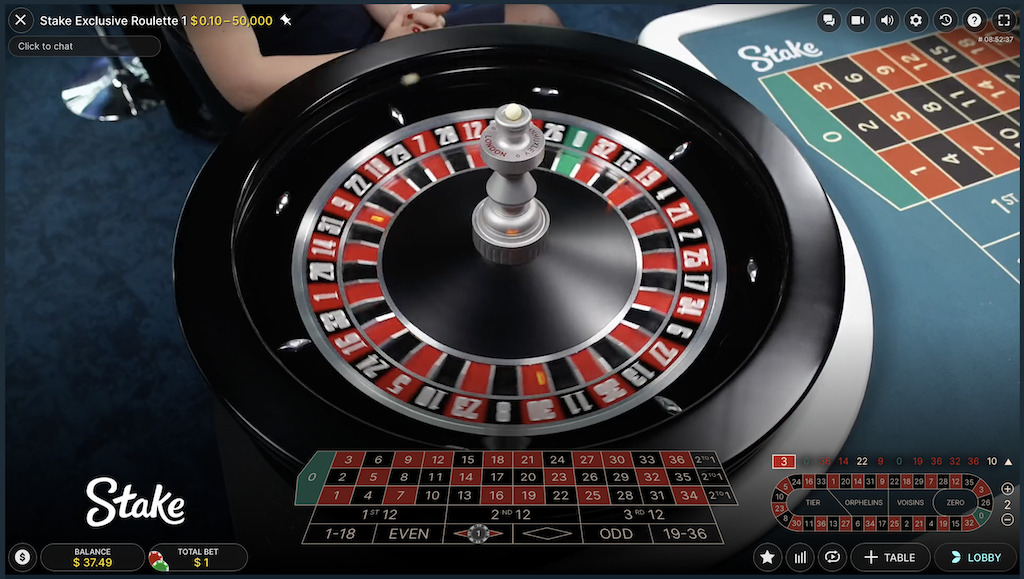
The differences become obvious in other areas. UKGC rules on bonus offers and advertising are tight. Stake’s international site isn’t required to obey them. Also, while Stake has responsible gambling tools, they aren’t linked to GamStop, the UK’s national self-exclusion scheme. This is a significant point for anyone wanting a complete break. Financially, Stake’s focus on crypto exists outside the traditional banking oversight the UKGC requires. This provides privacy but also means you have to monitor your own spending more closely. My assessment? Stake follows many general fair-play ideas, but it functions on a separate track from a UK-licensed casino.
The Importance of Licensing for UK Players
A UKGC license serves as your safeguard. The Commission’s rules compel casinos to operate fairly. On a licensed site, Stake Deposit, games are tested for fairness by independent auditors. Your deposits are kept separate from the casino’s business accounts. If you have a complaint you can’t resolve, you get free access to an independent dispute service. The UKGC also mandates strong anti-money laundering checks and tools like deposit limits and self-exclusion. These aren’t just nice features. They are the law.
With Stake using a Curacao license, those specific UK protections are not enforceable by law. The Curacao framework has standards, but they are generally seen as less strict. Stake might choose to adopt good practices on its own, but it is not required to follow UK consumer law. This shifts responsibility to you, the player. You need to check the casino’s trustworthiness yourself and know where to turn if something goes wrong. The regulatory backdrop is fundamentally different.
Overview of Stake Casino’s Licensing Landscape
Stake Casino operates on a global scale, and its licensing setup matches that. You will not find a UK Gambling Commission license here. Instead, the brand’s main regulator is the Curacao eGaming authority. This is a typical option for casinos that target international players and cryptocurrencies. It’s legal, but it operates differently. For UK residents, Stake offers service under this international license. Many offshore operators utilize the same model. You should know this does not make Stake illegal. It does, however, change the protections you get. Curacao provides basic oversight, but its rules and how it applies them are not the same as the UK’s system.
Examining Stake.com, the license details are in the footer. The number is usually 8048/JAZ, issued by Antillephone N.V. They are transparent about it. The next question for a British player is clear: can I use this site from the UK? The Gambling Act 2005 states operators targeting the UK must have a UKGC license. Stake doesn’t have one. This fact defines everything about how UK players interact with the site. Grasping this difference is the first step to assessing its safety and compliance.
Safety Protocols and User Safety
No matter its license, Stake invests serious effort into technical security. The site employs 256-bit SSL encryption. This is the identical technology banks use, and it scrambles your data so it can’t be intercepted. For account safety, you can activate two-factor authentication. This is a smart move and adds a strong extra barrier against hackers. The casino also keeps most of its cryptocurrency in offline cold storage, which greatly lessens the risk of a major hack.
Defenses goes beyond just tech. Stake has teams that track for fraud and suspicious money movements, which is part of its anti-money laundering work. Because it uses crypto, you can trace your own transactions on the blockchain for verification. The more vulnerable spot is the formal protection system. If you have a serious dispute, Stake will direct you to its customer support and then to the Curacao authorities. This is a procedure, but it isn’t the free, UK-specific arbitration you get from a UKGC site’s approved dispute service. The security is robust, but the safety net for UK players is structured differently.
Steps to Verify Stake Casino’s Licenses
Always review a casino’s license yourself. That’s the finest method to understand what you’re facing. For Stake, the procedure is easy. Visit Stake.com and scroll all the way down to the base of the page. You’ll spot information stating it is authorized by the Government of Curacao, along with a registration number. This should be a active link. Select it to see particulars on the Curacao eGaming portal. You can then take that number and verify it on the formal Curacao eGaming website to make sure it’s up-to-date. This takes a minute and verifies the primary claim.
To dig a bit more, you can do a few extra things:
- Examine the ‘About Us’ or ‘Terms & Conditions’ pages. These typically list the company’s formal address and more licensing information.
- Look for seals from autonomous testers like iTech Labs or eCOGRA. These companies check game fairness, and their logos are typically in the footer if they are active.
- Examine the privacy policy. It should detail how your data is protected and used.
- Query customer support. Forward a message asking for detailed information about their license and compliance. A trustworthy casino will respond directly and promptly.
Carrying out these checks puts you in command. You shift from just reading a site’s statements to diligently confirming its legal groundwork. This is particularly vital when you’re playing at a casino that serves the UK under an global license. The guidelines are distinct, and you have to know exactly what they are.