
I assess online casinos, and one question constantly bothers me: how do they fare when traffic spikes? Any site can seem quick at 3 AM on a Tuesday corgibets.eu. I wanted to see what happens at 9 PM on a Saturday. So, I spent two weeks putting Corgibet Casino to the test during the busiest evening and weekend slots I could find. My mission was straightforward: does the experience for New Zealand players break down when the servers are sweating? I timed logins, recorded game loads, checked live dealer streams, and tracked withdrawal requests. Think of this less as a review and more as a update from the front lines. It’s a genuine insight at what you really encounter when you play at the busiest times.
High-Traffic Website and Lobby Navigation Experience
Moving around the website during peak times was quicker than I thought. The homepage and main lobby typically loaded in 2 to 4 seconds, which is perfectly fine. I hit one snag around 9:30 PM on a crowded Saturday, where the game lobby took about 6 or 7 seconds to fill up with all the game icons. Once it was loaded, though, scrolling through hundreds of slots was seamless. I didn’t notice any jarring stutters. Applying filters for providers like Pragmatic Play or NetEnt introduced a small delay, maybe two extra seconds, while the list reloaded. The main menu never stalled on me. Moving from ‘Sports’ to ‘Live Casino’ to ‘Promotions’ was consistent every time. It’s obvious Corgibet has invested work into a front-end that can handle a crowd without crashing.
Title Loading Speeds During High Demand
This is the actual test. Loading individual games consumes the most resources. I tested a spread of titles: popular, graphic-heavy slots like “Gates of Olympus,” classic table games, and some new releases. At peak times, the average load time increased from a snappy 3 seconds to roughly 5 and 10 seconds. The absolute longest I waited was 12 seconds for a complex Megaways slot. The key thing is, no game ever failed to open completely. And once a game was loaded, the gameplay itself was perfect. No stuttering on spins, no lag. The platform tends to focus on stability after that initial delay. It’s a worthwhile trade-off: wait a few extra seconds at the door for a completely fluid session once you’re inside.
Video Slots vs. Live Table Games: A Speed Comparison
The disparity between loading a standard slot and a live dealer game was clear during busy hours. Slots, which are standalone software, loaded faster every time, even at their worst. Live dealer games are a different beast. They need a solid link to a video stream and a dedicated server. Entering a live blackjack or roulette table could take 15 to 20 seconds during the worst of the rush, while the interface established a link and the video feed settled down. Once I was in, the stream quality typically held up. I did notice the resolution dip automatically now and then, changing from HD to standard definition before returning. That tells me they have dynamic bandwidth management active to stop total disconnections.
Financial Operations: Deposits & Withdrawals at High-Traffic Periods
This is the point at which delays can make a player really nervous. I tested fast deposit solutions like debit cards and e-wallets (Skrill, Neteller) at high-traffic hours. Every single deposit went through instantly, just like they did during off-peak times. The payment gateway pages were quick, and the money reached my casino balance within moments. Cashouts were more interesting. Requesting a payout to the same e-wallet triggered an automatic acknowledgment, with the status flipping to “Pending” straight away. But the time it actually took before the money was sent, that “Pending” period, seemed extended compared to off-peak periods. This is not a technical issue. It’s probably the finance team handling a larger backlog of requests for manual review, which is a routine security measure.
Withdrawal Request Submission and Queue Management
We should separate system speed from human processing. The action of making a withdrawal request on the website was smooth, even at 10 PM on a Friday. The interface was quick, and I obtained the confirmation email immediately. The time spent in the “Pending” state, though, extended to the top end of the stated timeframe (say, 12 hours instead of 2 to 6). This shows the automated systems process the request submission without issue, but the final manual approval stage experiences a backlog. For players, it implies you can make a withdrawal anytime with certainty, but you need to account for the full advertised processing time during high-traffic periods. The security team merely has more tickets to process.
Support Team Reaction Times Under Heavy Load
I contacted the live chat six times during peak evenings. The delay to reach a live agent varied greatly. The shortest was below one minute. On a busy Saturday night, I waited just over 8 minutes. Once an agent came on, they were consistently professional, helpful, and helpful. The chat interface on its own didn’t stutter. The 24/7 email support was less responsive, as you’d imagine. Responses reached around 8 hours over the busy weekend, as opposed to 3 or 4 hours on a weekday morning. This pattern indicates the support team is manned, but very busy periods create a temporary queue. A good FAQ section helps bridge this gap for basic questions.
Live Chat & Email Help Efficiency
Looking at the support channels, live chat is the first line, and its effectiveness under pressure is a mixed experience. The pre-chat bot did a good job classifying my question, which likely helped send me to the right place. The hold time was purely for a human to be free, not a system problem. Email support followed the same pattern: the automatic “ticket received” reply was immediate, but the human response took more time. The level of help, once it arrived, didn’t suffer. Agents had my account details ready immediately and gave precise answers without needing to pass me around. This suggests a mature support system that focuses on solving your problem than just ending the call quickly, even if reaching a resolution takes a bit extra time during a surge.
The Testing Methodology: Modeling Real NZ Player Traffic
I aimed my tests to match when Kiwis actually play. I developed my schedule around typical peak times: weekday nights from 7 PM to 11 PM NZT, plus long sessions on Saturday and Sunday afternoons and evenings. During these windows, I performed the same actions. I logged in and out, switched between game categories, opened a bunch of slot demos and real-money games, accessed live casino tables, and initiated customer support chats. My connection was standard New Zealand fibre broadband to keep things fair. I also monitored for any error messages or system notifications that only showed when traffic was high, noting the time and what I was doing. This helped identify where the platform might be straining.
The Tools and Metrics I Utilized for Measurement
I went in with tools, not just guesses. A stopwatch timed my key actions. Browser developer tools enabled me look at network request times and how long resources took to load. For the live casino, I recorded any resolution drops or times the audio became misaligned. My main numbers were page load time, game launch time (from click to playing), live stream buffer frequency, and how long it took for a support agent to say hello. I then stacked these peak-hour numbers against baseline measurements I took during quiet, off-peak hours like weekday mornings. This comparison revealed me the real impact of high traffic.
Analyzing the Key Performance Indicators (KPIs)
Let’s get precise about what I was measuring. Page Load Time: how long for a full page, like the lobby, to be completely ready to use. Game Launch Latency: arguably the most critical metric. This is the delay between clicking a game and the moment you can really spin the reels or place a bet. Transaction Submission: the time from confirming a deposit or withdrawal to the casino system saying “got it.” Live Stream Stability: I counted any obvious lag or quality drops in a 30-minute session. These KPIs are the backbone of a smooth casino visit. They’re also the first things to wobble if a platform is overloaded.
Overall Conclusion: Is Corgibet Trustworthy for NZ Prime-Time Play?
After hours of intentionally testing the system at the most crowded times, my verdict is positive. Corgibet Casino proves it has the framework to manage high traffic effectively. You may notice minor slowdowns. Expect games to take a few extra seconds to load and live dealer tables to be longer to connect. You could wait a few more minutes for live chat. But the core experience holds up. Games play seamlessly once they’re loaded, live streams hold steady, financial transactions are secure (even if they sit in a review queue), and the site keeps running. I found no catastrophic failures, frozen screens, or locked-out features. This is a platform that handles load gracefully, choosing stability over raw speed when the pressure is on.
Who Might Consider Corgibet From This Test?
If you’re a New Zealand player who often logs on during evening or weekend rushes, Corgibet is a dependable pick based on this report. If your main concern is consistent, uninterrupted gameplay once your session starts, and you accept a slight delay at the beginning, you’ll be satisfied. It’s also a great option if you play primarily on your phone. Players who expect instantaneous, sub-second responses every single time, or who have very little patience for any slowdown, might feel the peak-hour effects more. For most people, though, the trade-offs are small and acceptable. Corgibet proves it has the technical foundation to support its players, making it a trustworthy choice for real-money play during New Zealand’s prime gaming hours.
Mobile Performance on iOS and Android During Busy Times
Many Kiwis gamble on their phones, so I had to test mobile. I used an iOS device and an Android tablet on both Wi-Fi and 4G/5G networks. The experience was nearly identical to the desktop site. The Corgibet mobile site performs excellently. It loaded quickly and navigation felt smooth. Game launch times were comparable to desktop, maybe half a second slower on average. The most notable aspect was the stability once a game was running. No crashes, no unexpected app closures during my tests. The live dealer casino also worked great on mobile, with the video stream responding smoothly to cellular connections. The overall mobile experience at peak hours was consistent, proving the platform’s design copes with demand across all devices.
App or Browser: Which Is More Stable?
Corgibet uses a mobile-optimized website, not a separate native app you download. For performance testing, this is an advantage. It removes variables like app store updates. I contrasted using Safari on iOS and Chrome on Android. Performance was identical on both. I found no discrepancy in stability or speed. This website-based approach guarantees every player is on the latest version of the platform, and the casino can dedicate efforts to optimizing one codebase for all devices. During peak hours, this uniformity contributes to reliability, since there isn’t separate app infrastructure to worry about. Not having a native app is no performance disadvantage here.
Live Casino Performance Under High Traffic
The real-time casino is the final challenge for a platform’s live technology. I devoted several peak-hour sessions at tables from Evolution and Pragmatic Play Live. The first connection, as I said, was slower. But the overall stream stability impressed me. Video quality stayed high, and the croupier’s audio was clear and matched the action on screen. I rarely saw a “Please wait” message. Over many hours of testing, I got two brief “Reconnecting to server” prompts. Each lasted about 5 seconds before picking up right where it left off. Using the chat box to talk to the dealer sometimes had a delay, but placing bets worked without a hitch. The overall performance was reliably solid. Not flawless, but more than good enough for serious play.
Broadcast Quality and Interaction Responsiveness
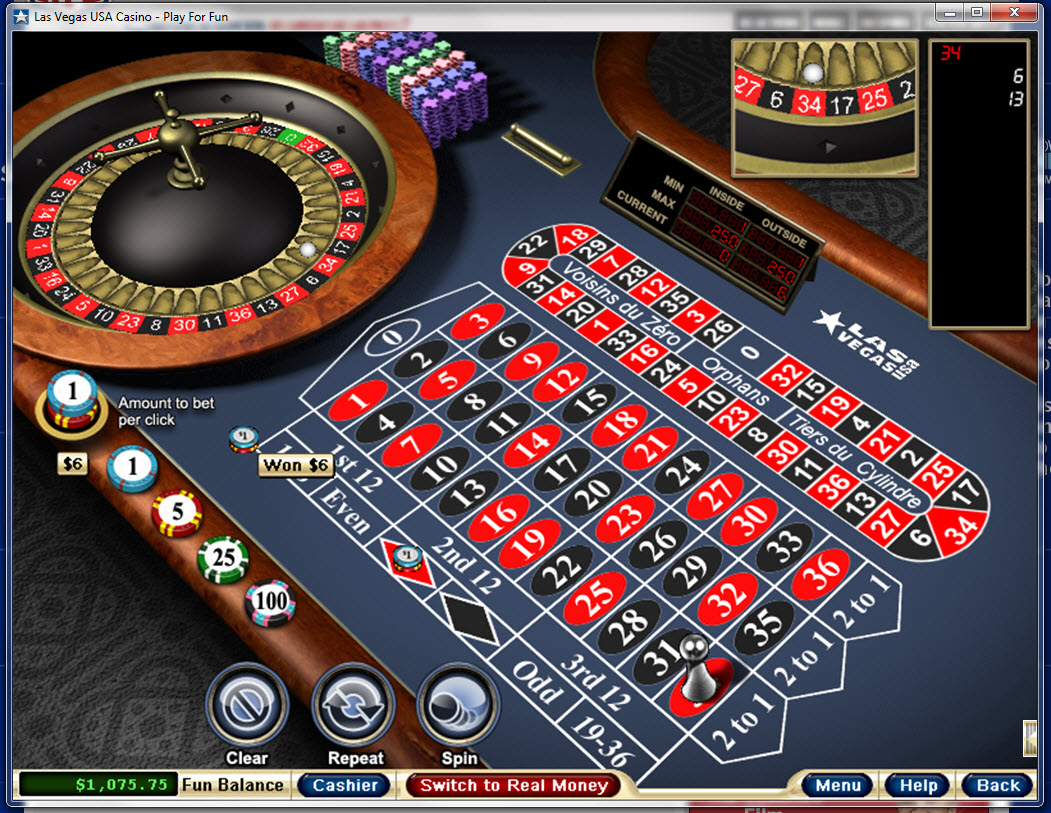
Looking closer at the live experience, I watched the stream’s technical quality and how the interactive elements performed. The video data rate adjusted on the fly. At a crowded Saturday night roulette table, my stream subtly lowered its resolution for a minute to prevent a freeze, then recovered. In terms of interaction, clicking on the table to place a bet felt instant. The delay came in seeing the chip appear and hearing the dealer acknowledge it. During absolute peaks, this could lag 2 or 3 seconds behind my click. You’ll find this on most live casino platforms under heavy load, and it wasn’t enough to disrupt my game. The “Game History” and side-bet panels loaded without any wait, giving me all the info I needed right away.